Points Rummy vs 13 card Classic Rummy
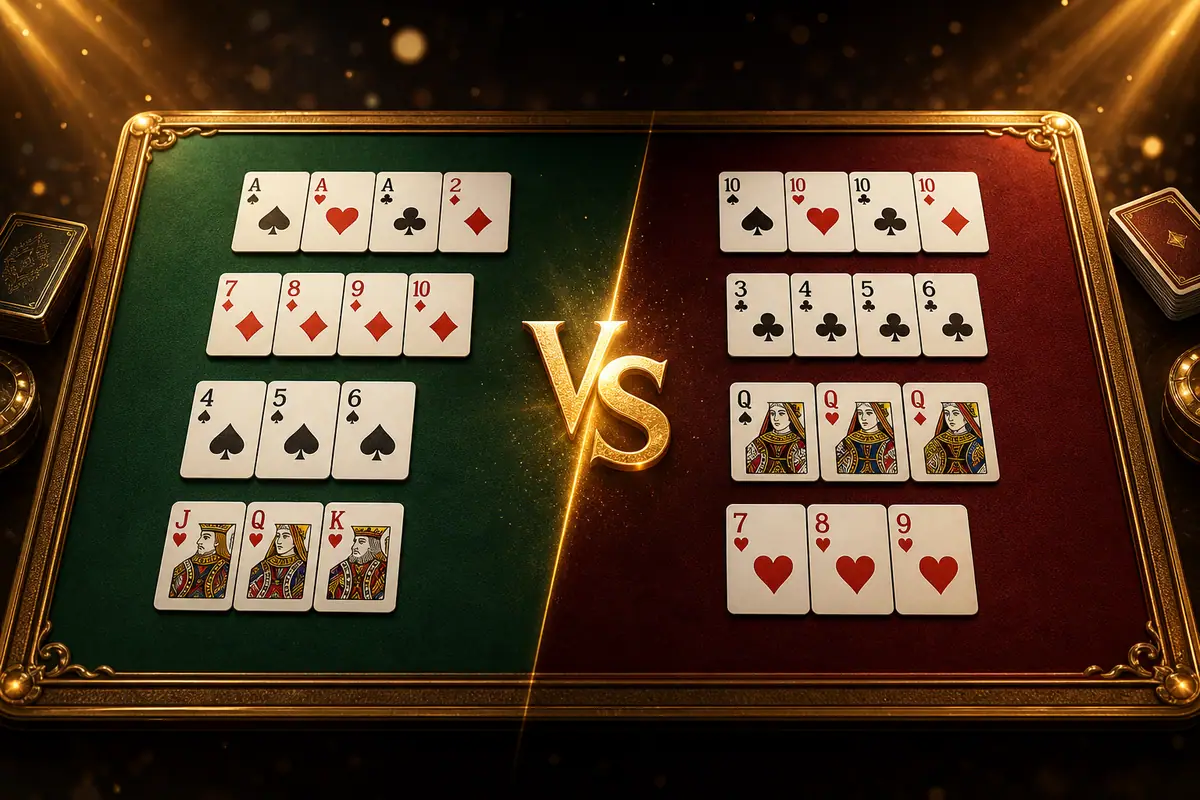
Both use 13 cards and the same meld rules — Points Rummy settles each deal for cash/points; classic home play often tracks chips across informal rounds.
- Points Rummy vs 13 card Classic Rummy India
- Points Rummy vs 13 card Classic Rummy 2026
| Feature | Points Rummy | 13-Card Classic |
|---|---|---|
| Deal length | One deal per table round | Often multiple deals per session |
| Scoring | Deadwood × rupee point value | Informal chip or point tally |
| Drop rules | Fixed first/middle drop scores | House rules vary — may not allow drop |
| सबसे अच्छा | Quick online sessions | Social home practice |

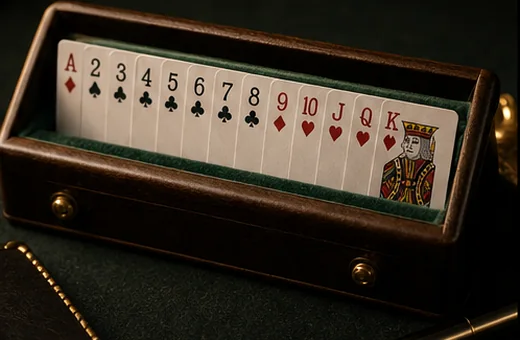
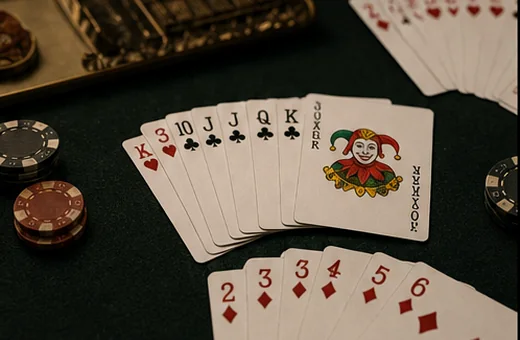
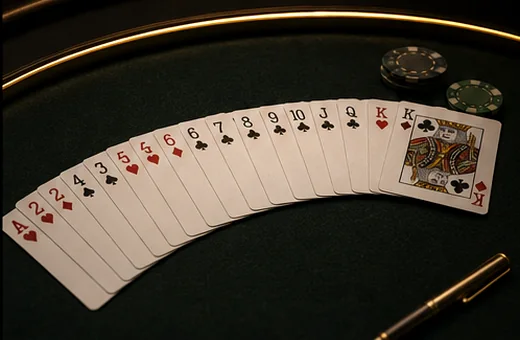
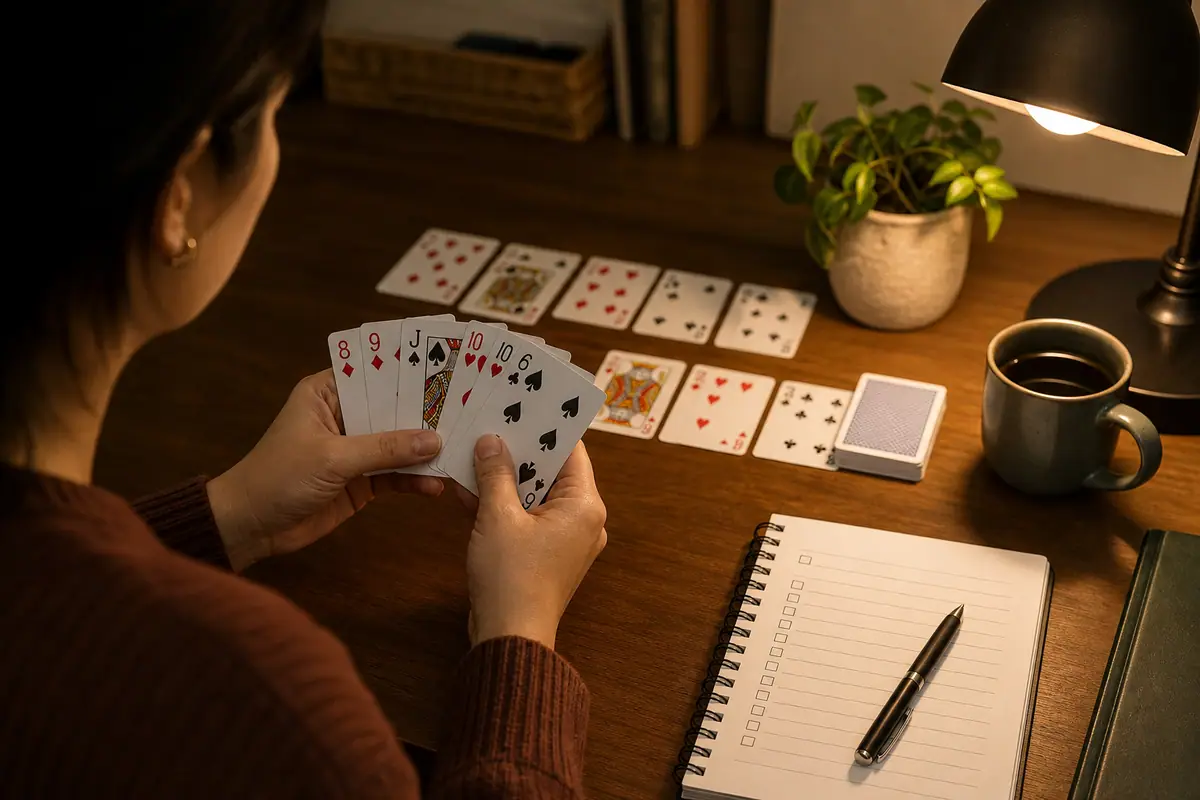
Practice Points Rummy vs 13 card Classic Rummy at home
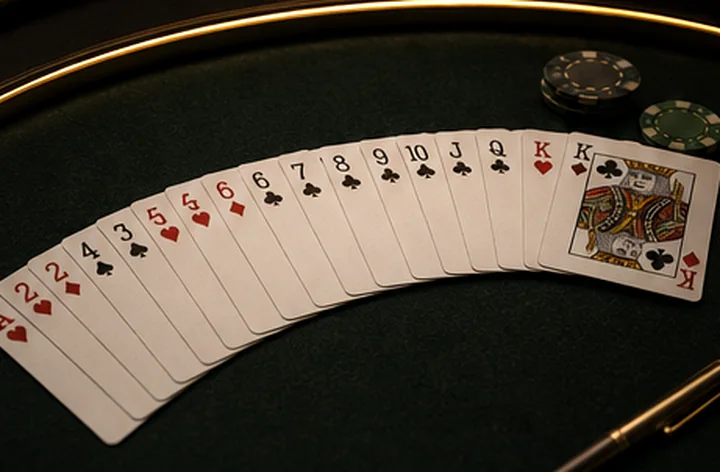
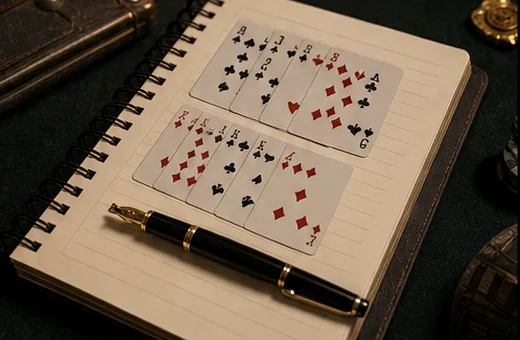
Run three slow practice deals before any cash table. After each draw, rearrange cards into pure sequence, second sequence, and sets without rushing the finish button. Focus on single-deal points math, rupee rates and drop penalties so declare timing stays calm instead of reactive.
When you believe the hand is valid, pause for a five-second checklist: count cards, confirm the pure run has no joker, and verify every rank sits in a legal meld. Only then tap declare. If validation fails, note which group broke and replay the same board in free mode until the pattern sticks.
For family practice nights, use virtual points only and let one player call “declare audit” before anyone finishes. That habit mirrors live-table pressure while keeping the room social and low stakes — no cash promises or guaranteed-win talk.