

Indian Rummy rules in simple English
Thirteen cards, two decks with jokers, one pure sequence minimum — here is the full beginner path without jargon.
- Deal & turns
- Melds
- Declare
- Indian Rummy rules in simple English India
- Indian Rummy rules in simple English 2026
Key rule: You must finish with at least one pure sequence before any valid declare.
Direct answer: Indian Rummy deals 13 cards per player from two standard decks plus jokers. On your turn you draw one card and discard one. Arrange all 13 cards into valid sequences and sets — including at least one pure sequence with no joker — then declare to win the deal.
1. Setup and deal
Use two 52-card decks shuffled together with printed jokers included. A wild joker rank is cut from the closed deck after the deal.
- Two to six players at most tables; 13 cards each
- One open discard pile starts from the dealer’s first discard
- Remaining cards form the closed stock pile
2. Build valid melds
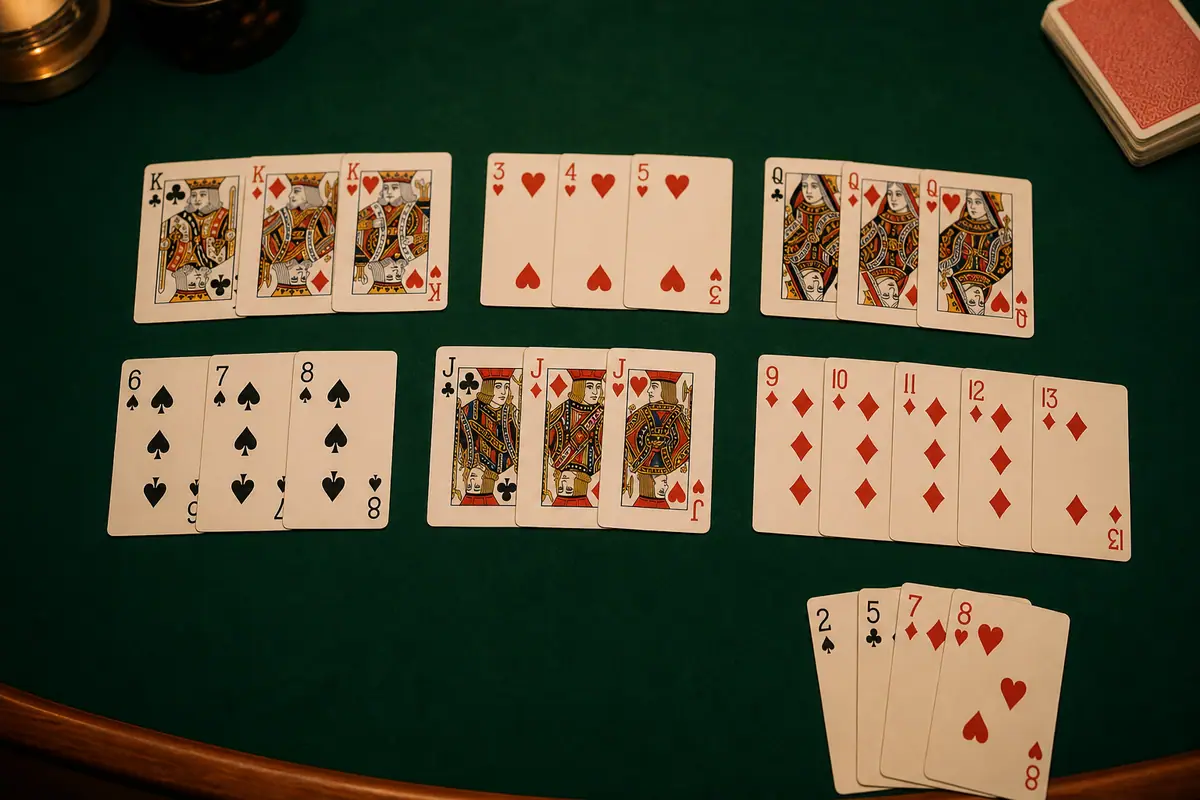
Sequences are three or more consecutive cards of the same suit. Sets are three or four cards of the same rank across different suits.
- Pure sequence: no joker inside the run
- Impure sequence: one joker may fill a gap
- Sets cannot replace the pure sequence requirement
Quick rule facts
- Cards dealt
- 13 per player
- Decks used
- 2 × 52 + jokers
- Pure sequence
- Mandatory for declare
- Second sequence
- Required on most tables
- Ace value
- Low (A-2-3) or high (Q-K-A)
- Win condition
- All 13 cards in valid groups
3. Declare and score
When every card sits in a valid group and the pure sequence is present, discard your final card face-up and declare. Opponents count unmatched card points.
- Face cards and aces usually score 10 each
- Number cards score their pip value
- Jokers in hand score zero when grouped correctly
Rules academy — 15 topic clusters
Browse every planned rule page from this hub. Each cluster opens a starter guide with links to deeper EN and Hindi articles.

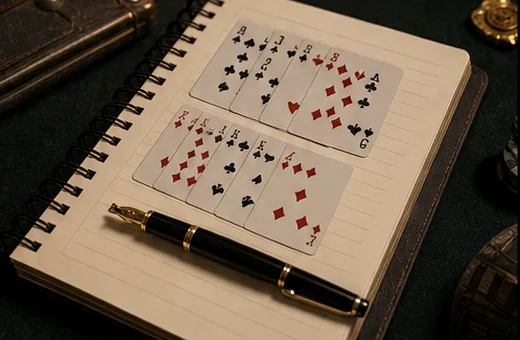
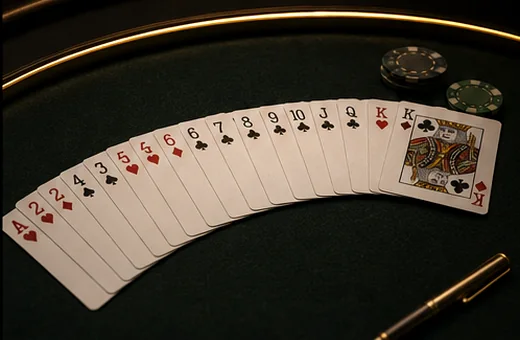
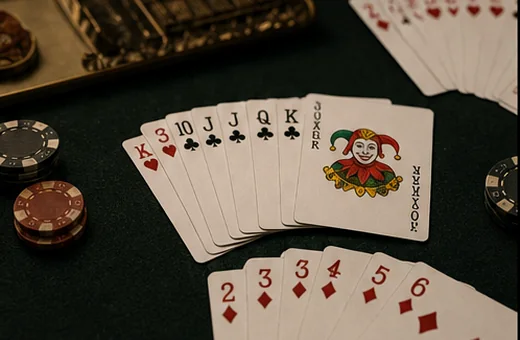
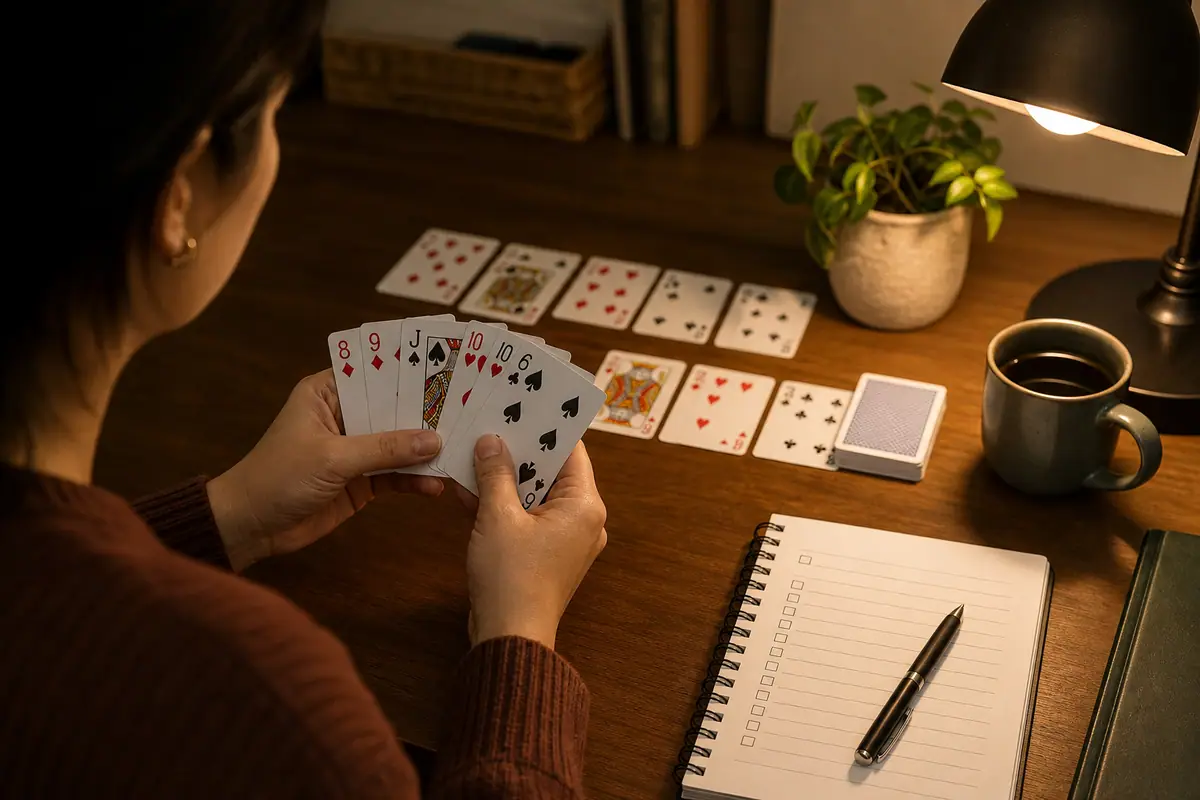
Practice Indian Rummy rules in simple English at home
Run three slow practice deals before any cash table. After each draw, rearrange cards into pure sequence, second sequence, and sets without rushing the finish button. Focus on 13-card meld basics, declare readiness and free practice drills so declare timing stays calm instead of reactive.
When you believe the hand is valid, pause for a five-second checklist: count cards, confirm the pure run has no joker, and verify every rank sits in a legal meld. Only then tap declare. If validation fails, note which group broke and replay the same board in free mode until the pattern sticks.
For family practice nights, use virtual points only and let one player call “declare audit” before anyone finishes. That habit mirrors live-table pressure while keeping the room social and low stakes — no cash promises or guaranteed-win talk.
Proof and practice scenes
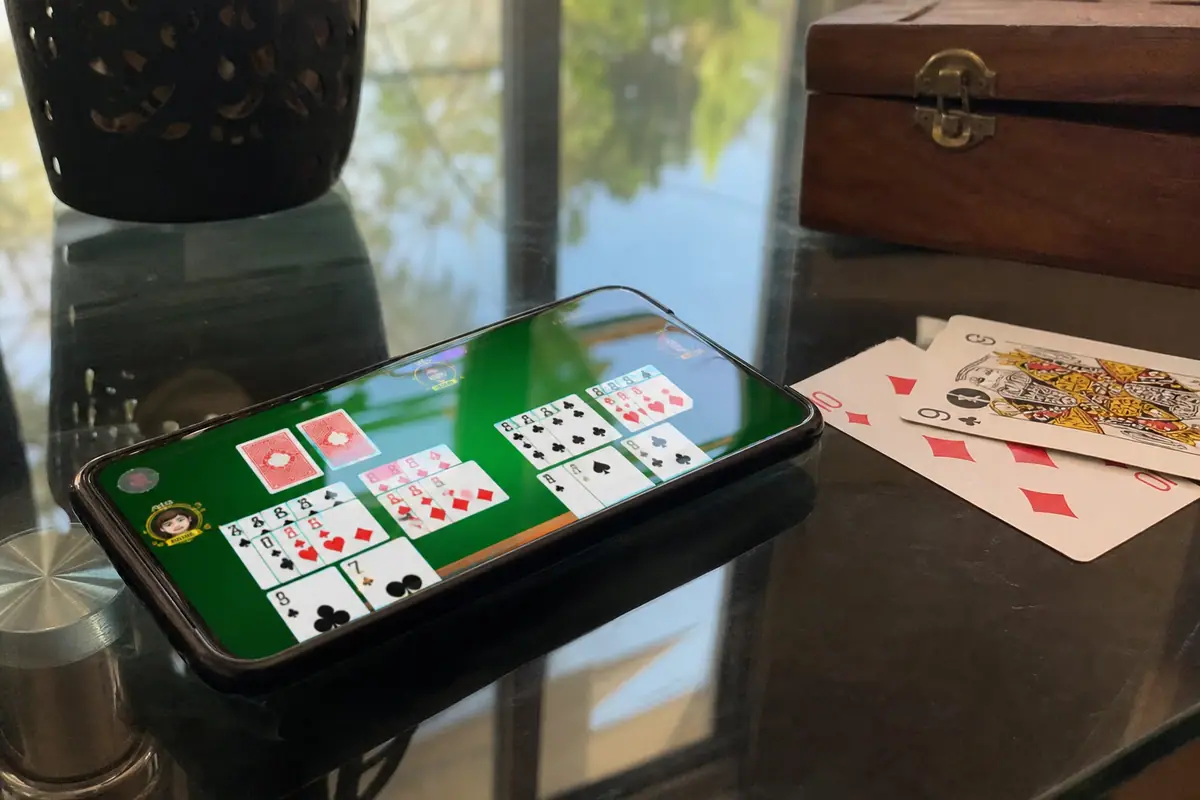


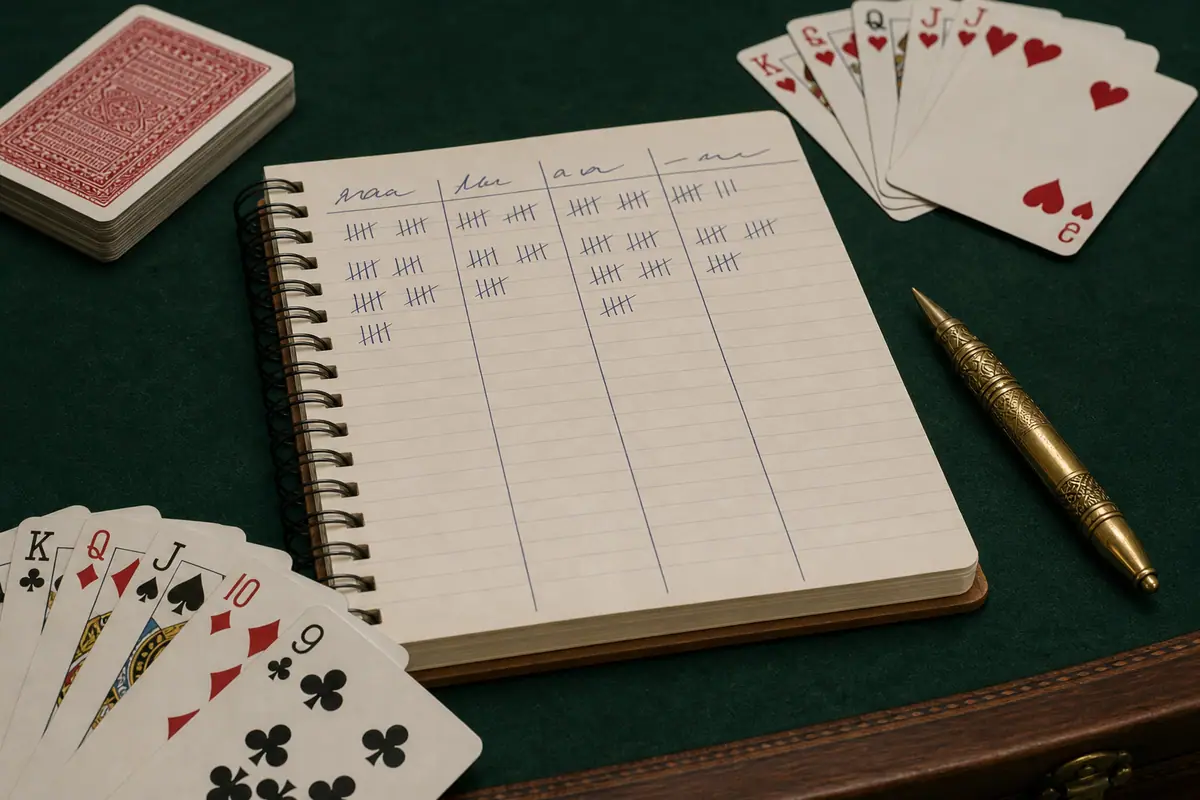

4. Apply this on the table
After you understand Indian Rummy rules in simple English, start on free-practice tables or social deals with adults before any cash format. Read operator terms, KYC and local law yourself — no winning guarantees on this site.
- Lock a pure sequence first, then build sets or impure runs with leftover cards
- Draw and discard exactly one card each turn; respect open and closed deck rules
- Cross-link related EN and HI guides; never share OTPs or wallet PINs in chats
Rules academy — next reads
Open nearby topics: pure and impure sequences, sets, jokers, declaration checks, pool/deals/points formats and the beginner FAQ. Verify APK source and permissions before install.
18+ boundary
BestRummyBonus publishes rules, practice paths and APK notes only — not guaranteed cash wins, bank affiliation or fixed bonuses. Real-money tables follow operator terms; read free practice vs cash claims before you decide.
FAQ
How many cards do I start with?
Thirteen cards. See our deal count guide for table variants.
Can I declare with only sets?
No. At least one pure sequence is mandatory on standard Indian Rummy tables.
Where do I learn Hindi rules?
Read the matching Hindi rules guide on this site.
Does this page guarantee cash wins?
No. Indian Rummy rules in simple English is rules and practice context only — no payout or bank claims.
Where is the Hindi version?
Each core slug has a matching /hi-in/ route when Hindi is enabled on this site.
What should I verify before APK install?
Package name, permissions, update date and operator T&C — we publish editorial notes, not guarantees.