Beginner decision
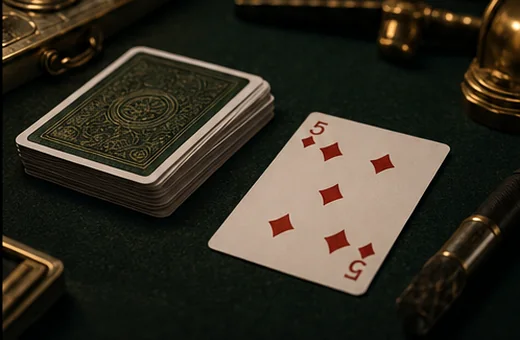
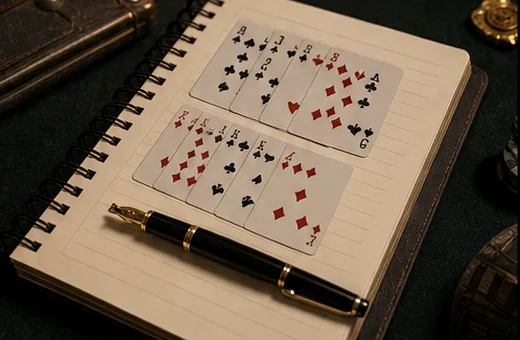
When should you pick a card from the open deck in Indian Rummy?
Use the open deck only when the visible card completes or clearly extends a legal plan. A tempting card without a defined home can make a 13-card hand harder to declare.
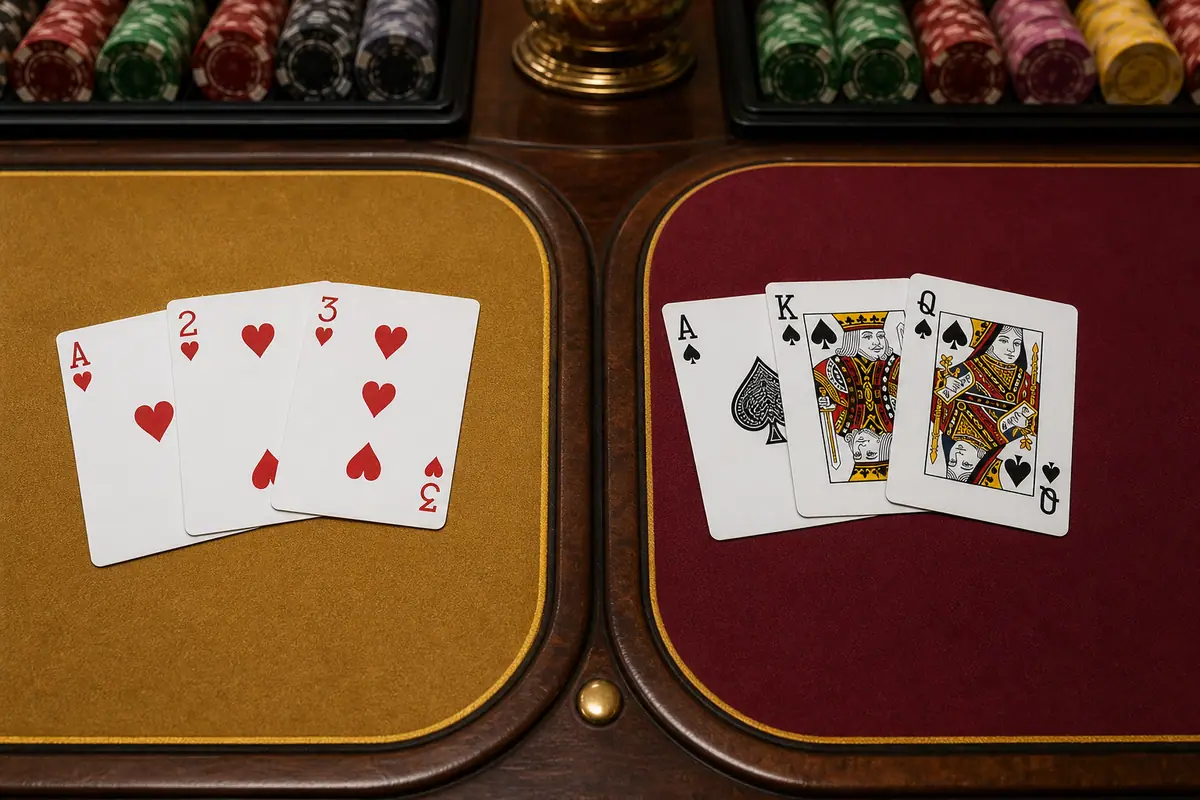
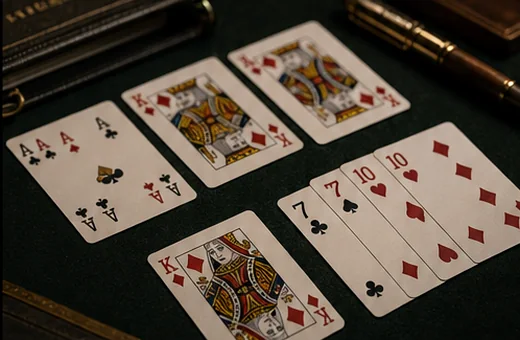
Direct answer: Pick an open-deck card when it immediately extends a same-suit run, completes a same-rank set, or replaces a weaker card in a group you can explain. Pass when it only looks useful, duplicates an already-complete group, or forces you to break your pure sequence.
Use a three-question pause
- Where does it go? Name the exact three-or-more-card group before picking it.
- What leaves your hand? Choose a safe discard before you draw, so the card does not become loose deadwood.
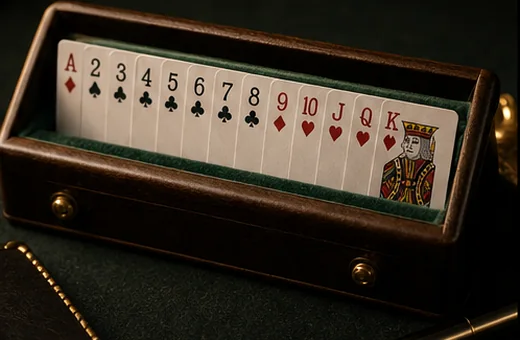
- Does it protect the pure sequence? A joker-free natural run is the first thing a new player should avoid breaking.
Example: useful versus merely interesting
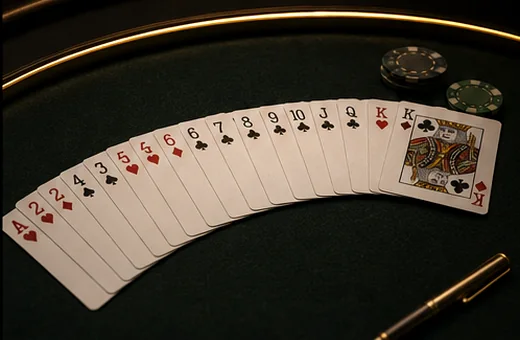
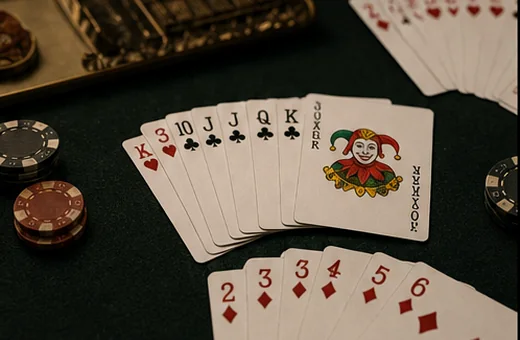
With 5♥ and 6♥ already grouped, an exposed 7♥ has a clear job: it makes a natural run. With 9♣ and no nearby club cards or matching nines, an exposed 9♣ has no clear job yet. Do not pick it simply because pairs and sets are possible later.
What the open deck also reveals
A visible pick is information to the table. In friendly practice, note it without guessing hidden cards or changing the rules mid-round. The useful habit is to keep your own group plan clear, not to chase every card someone else has left behind.
Before declaring
After each draw, check that all thirteen cards still belong to valid sequences or sets and that at least one natural pure sequence remains. Table variants can differ, so use the room’s stated rules when they conflict with a general guide.