13 card vs 21 card Rummy
13-card is the default online format; 21-card adds cards and stricter pure-sequence requirements.
- 13 card vs 21 card Rummy 2026
| Feature | 13-Card Rummy | 21-Card Rummy |
|---|---|---|
| Cards dealt | 13 | 21 |
| Pure sequences to declare | At least 1 | Often 3 (table dependent) |
| Complexity | Standard beginner path | Advanced — slower meld planning |
| Online availability | Very high | Lower — niche lobbies |
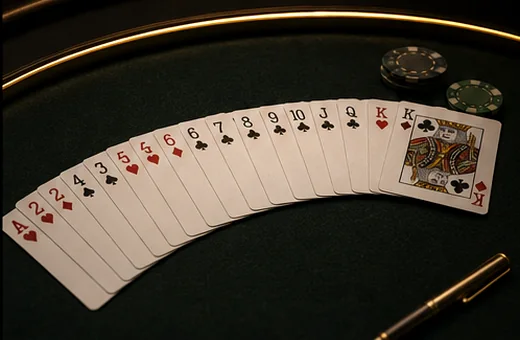
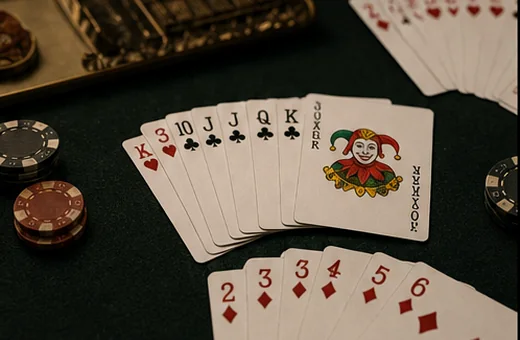
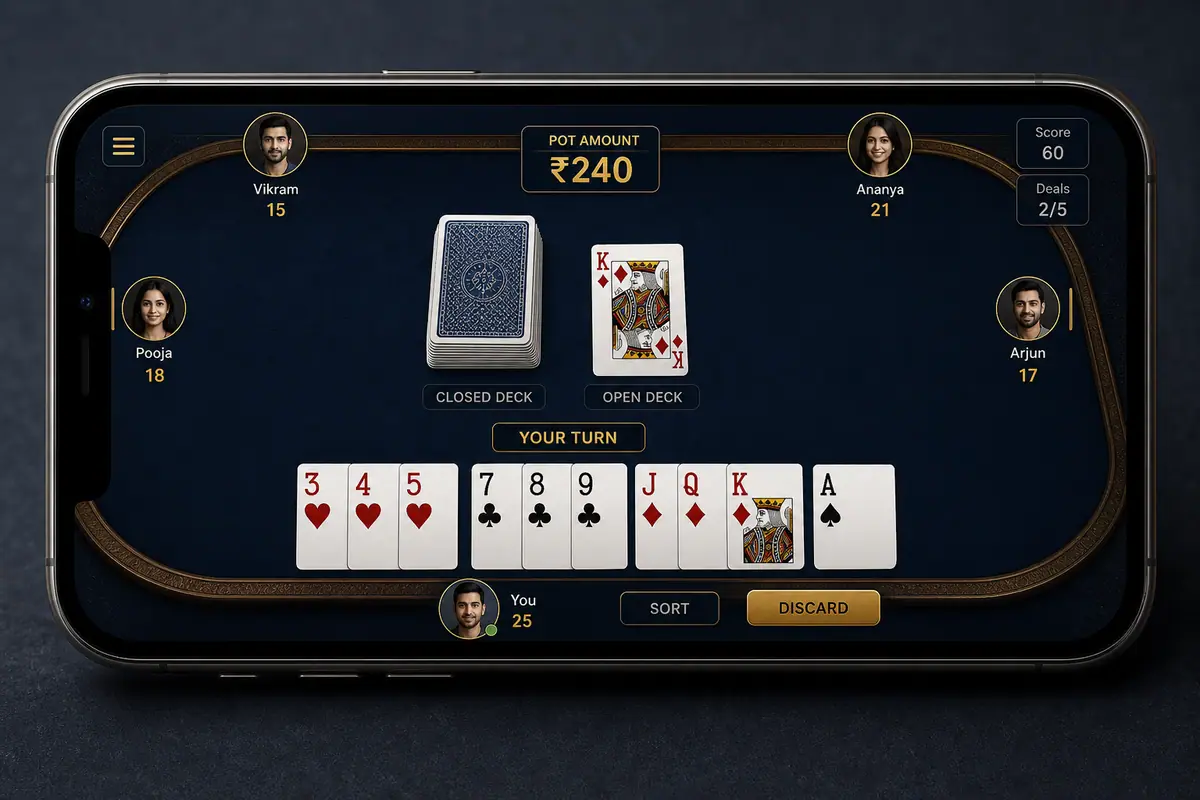

Practice 13-card versus 21-card indian rummy comparison at home
After reading this 13-card versus 21-card indian rummy comparison page, play ten virtual-point deals in a verified free lobby. Log which rule applied each hand — pure sequence, set, drop, or scoring — so 13 card vs 21 card rummy theory becomes automatic at the table.
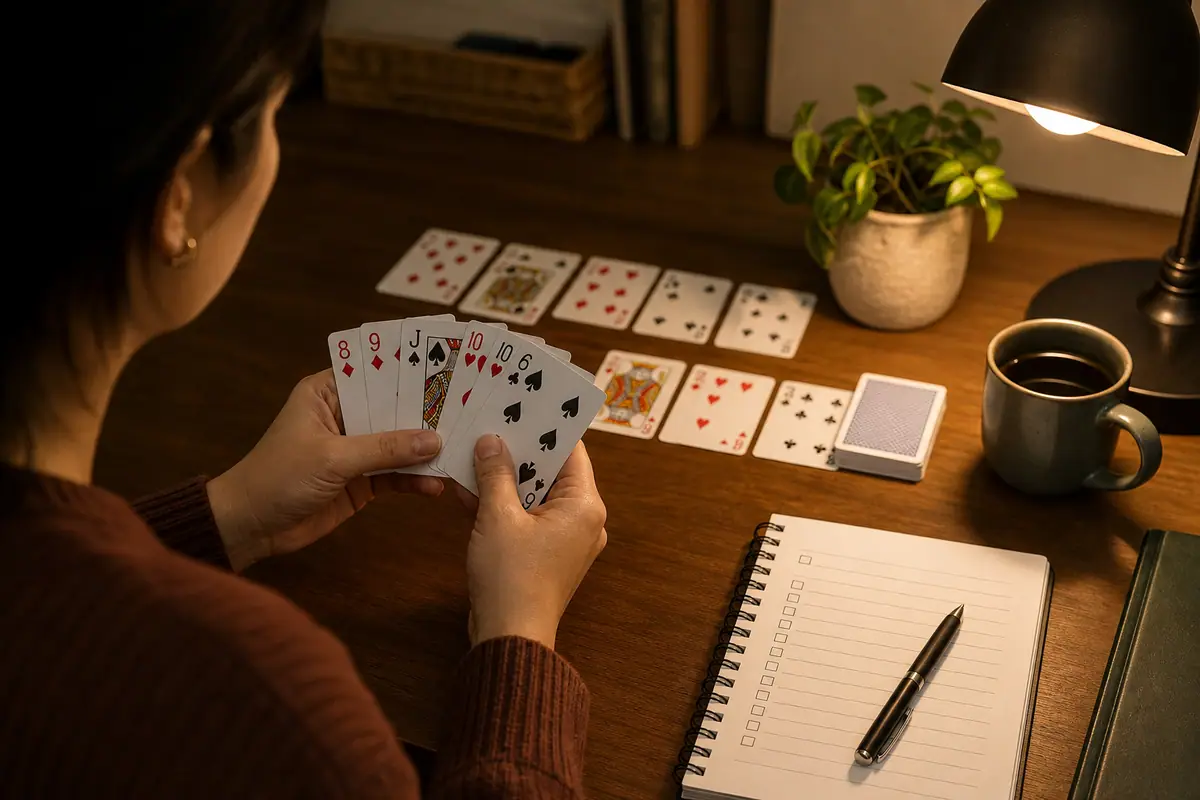
Rebuild one slow hand with a physical deck: group cards like on-screen melds, name each group type, then run the declare checklist. If validation fails, screenshot the board and resort the same deal until zero unmatched cards remain.
During family practice nights, assign one player to call a rule audit before every declare. Ask only questions tied to this topic — joker limits, drop timing, deck picks, or score caps — and repeat the full deal after any wrong answer with no cash at stake.